-

(Microplate ELISA Reading) Principle: Spectrophotometric measurement of color development in ELISA plates proportional to analyte concentration using calibrated microplate readers and standard curves. Applications: Quantification of cytokines, growth factors, antibodies, hormones, drug levels, and soluble biomarkers in serum, plasma, culture supernatants, or material extracts for immunology, biomaterials, toxicology, and pharmacological studies. Output: Raw absorbance values with blank correction, standard curve plots, calculated concentrations (per well/sample) with QC flags, delivered in a structured data/report file (Excel/PDF) ready for statistical analysis and publication.
-
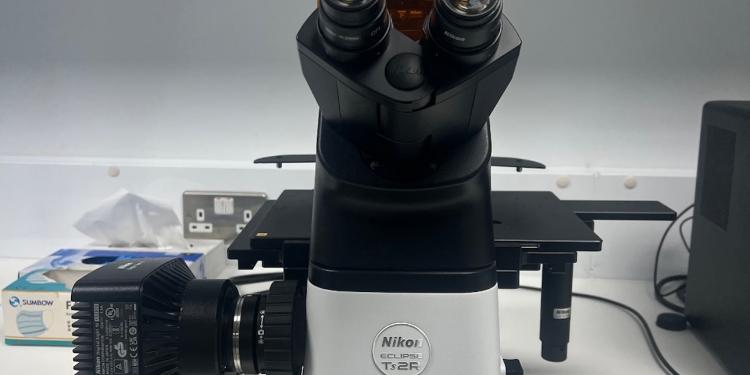
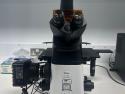
(Fluorescence Microscopy) Principle: Widefield epifluorescence imaging of fluorophore-labeled or autofluorescent samples using upright and inverted microscopes, enabling multi-channel visualization of cells, tissues, biofilms, and materials under standardized acquisition settings. Applications: Live/dead and cytotoxicity assays; cell adhesion, spreading, and surface coverage; immunofluorescence for target expression and signaling pathways; visualization of biofilms and microbial structures; nanoparticle/drug uptake and intracellular localization. Output: High-resolution, calibrated images (with scale bars; single-channel and merged TIFF/JPEG), documented staining and imaging parameters, plus optional basic quantitative or semi-quantitative analysis (cell counts, % live/dead, coverage, fluorescence intensity, co-localization metrics) summarized in a brief technical report suitable for publication and regulatory-style documentation.
-
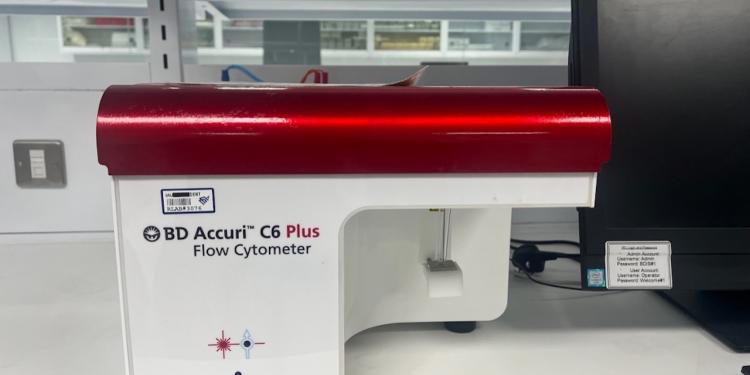
(Flow Cytometry) Principle: Laser-based single-cell analysis measuring forward/side scatter and fluorescence to quantify multiple markers per cell. Applications: Immunophenotyping, PBMC/stem cell characterization, apoptosis/viability, and activation markers Output: FCS files, documented panel and gating strategy, summary tables/plots of key populations, and short interpretive note suitable for inclusion in methods/results.
-
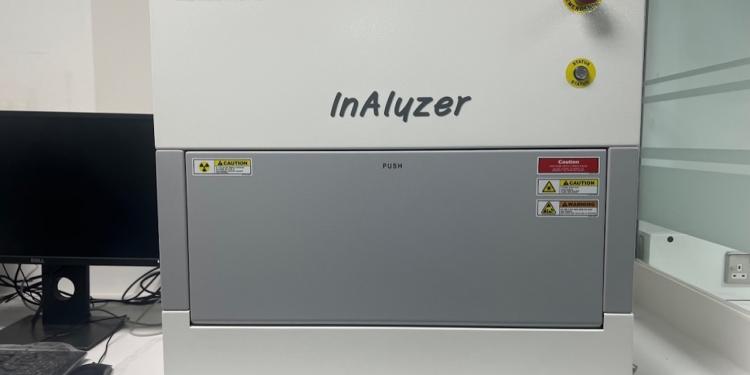
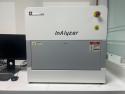
(DEXA Analysis) Principle: Dual-energy X-ray absorptiometry (DEXA) uses two X-ray energies to differentiate soft tissue and mineralized tissue, enabling precise calculation of bone mineral density (BMD) and body composition. Applications: Evaluation of osteopenia/osteoporosis models; assessment of osteogenic therapies, biomaterials, implants, and systemic treatments in small animals; longitudinal monitoring of skeletal changes; cross-validation with micro-CT, histology, or mechanical testing; applicable to orthopedic, endocrinology, oncology, and metabolic research beyond dental fields. Output: BMD and related parameters for defined regions of interest (e.g. total body, spine, femur, tibia, defect/implant sites), standardized comparison tables/graphs for groups and time points, and a concise technical report including scan settings, ROI definitions, and key quantitative outcomes suitable for manuscripts and preclinical documentation.
-
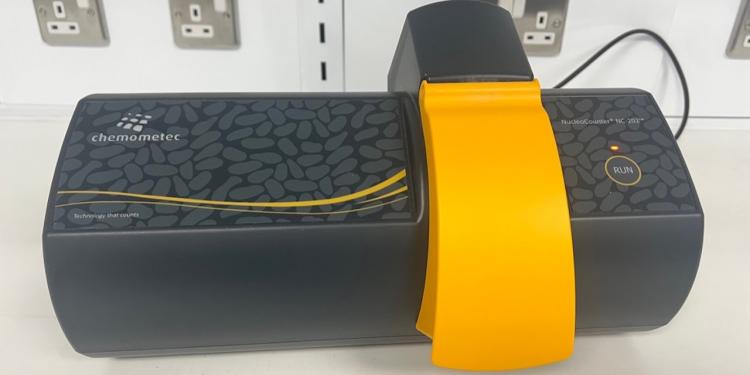
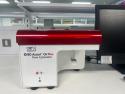
(Cell Viability Counting) Principle: Automated counting using dye-exclusion or fluorescence-based methods to determine viable vs non-viable cells. Applications: Standardizing seeding densities, monitoring culture quality, evaluating treatment effects, and supporting cytotoxicity and proliferation assays. Output: Reported cell concentration (total, live, and dead cell conctentrations cell/ml and viability %) for each sample, including method and instrument details; optionally integrated into experimental setup documentation.
-
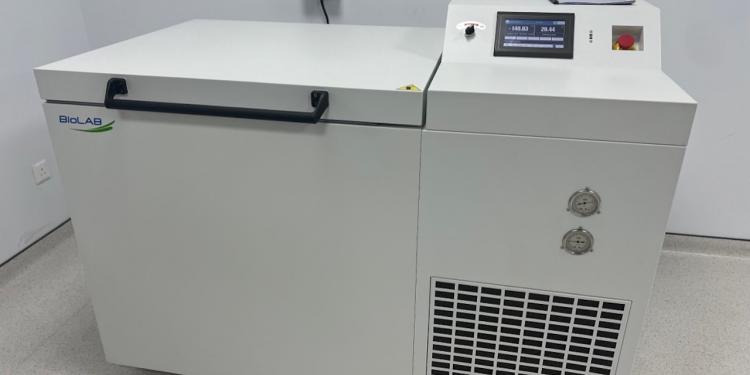
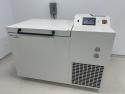
(Biobank Storage -150 OR Liquid Nitrogen (Short term; up to 3 months)) Principle: Controlled low-temperature storage of samples in monitored freezers with standardized labeling and inventory. Applications: Interim storage between collection and analysis for internal and external projects. Output: Secure placement and tracking of samples, temperature monitoring logs, and documented retrieval within the agreed period.
-
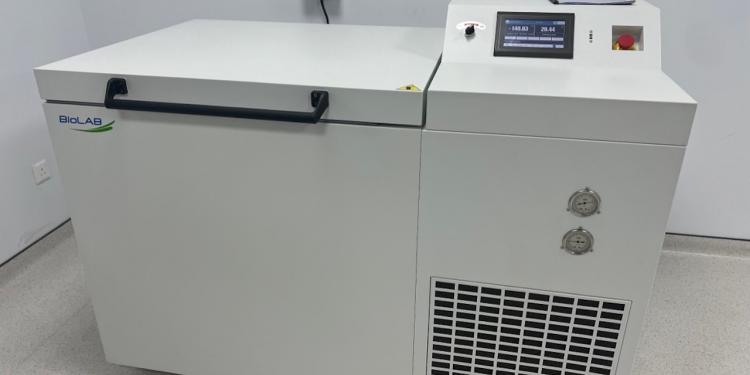
(Biobank Storage -150 OR Liquid Nitrogen (Long term; up to 1 year)) Principle: Extended low-temperature storage with continuous monitoring to maintain sample integrity. Applications: Preservation of DNA/RNA, serum, plasma, tissues, and aliquots for longitudinal or multi-phase studies. Output: Maintained inventory with unique IDs, monitoring records, and traceable chain-of-storage suitable for audited projects.
-
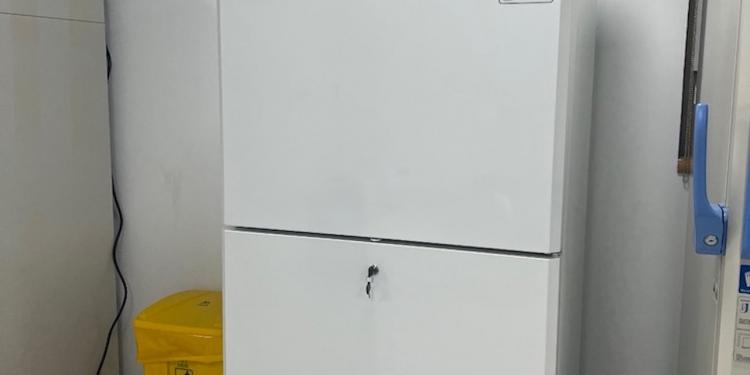
(Biobank Storage -30 OR -80 (Short term; up to 3 months)) Principle: Cryogenic storage at -150°C or LN2 vapor phase to preserve highly sensitive materials. Applications: Short-term safeguarding of cell lines, stem cells, and high-value biological samples. Output: Cryo-storage registration, verified location mapping, and documented retrieval while maintaining viability conditions.
-
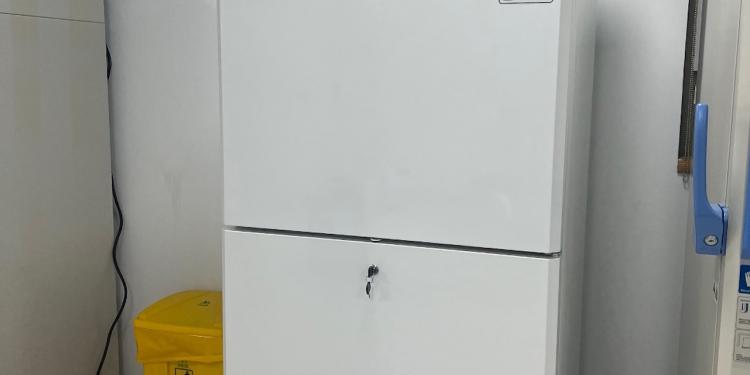
(Biobank Storage -30 OR -80 (Long term; up to 1 year)) Principle: Long-term cryogenic storage at -150°C or LN2 vapor phase to preserve highly sensitive materials. Applications: Strategic biobanking of critical cell lines, stem cell stocks, and translational research samples. Output: Comprehensive inventory and temperature logs, traceable chain-of-storage, and documented return/release of samples.
-

(Anprolene An75 Ethylene Oxide Strilizer) Principle: The Anprolene AN75 Ethylene Oxide (EtO) Sterilizer uses low-temperature EtO gas diffusion to achieve terminal sterilization of heat- and moisture-sensitive materials. EtO penetrates packaging and device lumens at the molecular level, effectively inactivating microorganisms—including bacteria, spores, fungi, and viruses—without compromising material integrity. The system operates under controlled humidity, temperature, and exposure time to ensure validated sterilization outcomes. Applications: Sterilization of laboratory instruments, biomedical devices, implantable materials, sensors, polymers, catheters, tubing, electronic components, and composite materials that cannot tolerate high heat or steam. Suitable for preclinical and translational research settings requiring sterile preparation of experimental tools, biomaterials, tissue scaffolds, surgical kits, and prototype medical devices. Supports workflows in surgery, biomaterials testing, tissue engineering, drug delivery studies, and device development, with compatibility across a wide range of research disciplines. Output: Validated sterilization cycle records including exposure duration, EtO concentration, humidity and temperature conditions, aeration requirements, and completion indicators. Provides sterilized, ready-to-use materials with documentation suitable for quality control, regulatory submissions, preclinical study files, and lab safety compliance. Optional biological and chemical indicators can be included for verification and reporting.
-

(Sample Coating for SEM) Principle: Deposition of a thin conductive metal layer (e.g. Au, Au/Pd) by sputter coating to minimize charging and enhance signal quality in scanning electron microscopy. Applications: Preparation of non-conductive or sensitive samples, including polymers, ceramics, metals, composites, nanomaterials, textiles, medical devices, packaging materials, filters, and biological or tissue specimens, for high-resolution SEM in biomaterials, engineering, pharmaceutical, environmental, and industrial research. Output: Uniformly coated, SEM-ready samples with documented coating conditions (target material, current/time settings) to ensure reproducibility and accurate reporting.
-
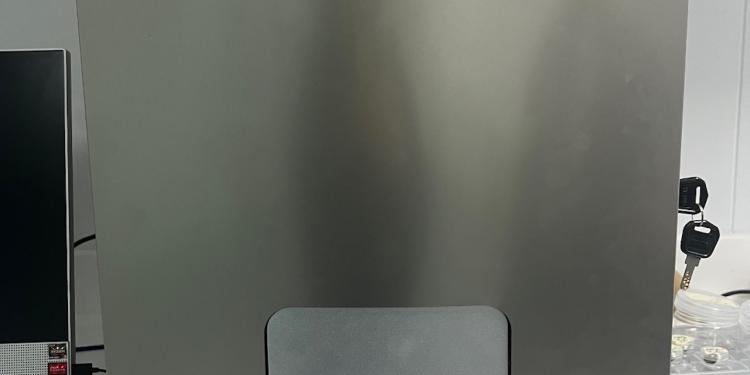
(SEM Imaging) Principle: High-resolution surface imaging using a focused electron beam detection to visualize morphology, topography, and microstructural features. Applications: Characterization of implant and scaffold surfaces, thin films and coatings, corrosion and wear, fractures and failure analysis, microstructures, biofilms, tissue-material interfaces, powders, and industrial products across biomedical, dental, pharmaceutical, materials science, and engineering fields. Output: A set of calibrated micrographs at agreed magnifications (with scale bars), basic description of imaging parameters, and optional simple measurements (e.g. feature size, layer thickness, particle size) provided in a concise technical report suitable for publications and technical documentation.