
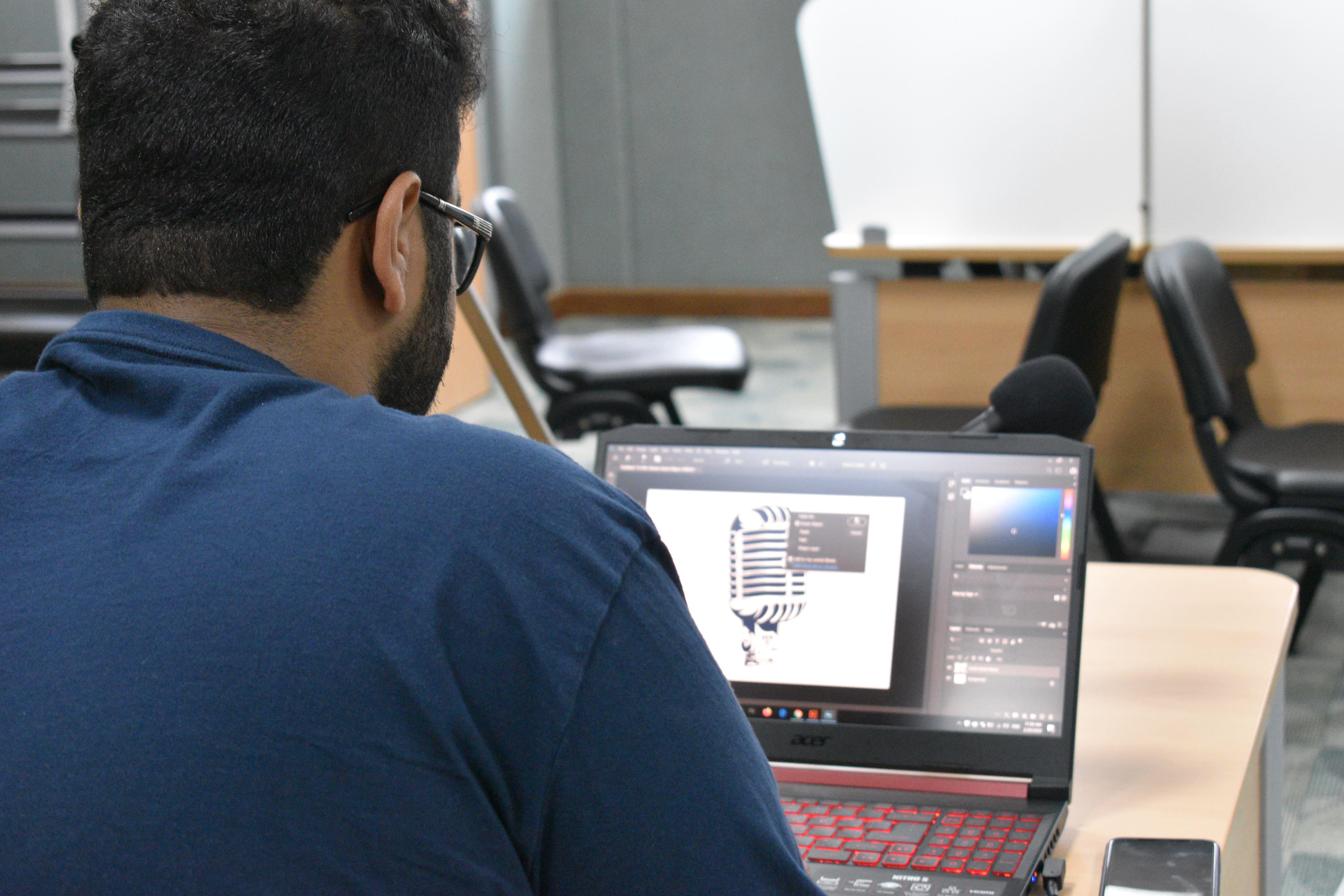
The Management Information Systems (MIS) Department is one of the academic departments in the College of Business Administration. It was established to meet the evolving needs of the labor market in the fields of technology and management. The department offers a Bachelor of Science in Information Systems and Business Analytics, a full-time four-year program that aims to prepare graduates with a balanced combination of managerial skills, computing skills, and business analytics competencies, enabling them to perform effectively in various organizational environments.
In addition, the department offers a Master’s program in Business Analytics, which is a full-time two-year program designed to qualify graduates and equip them with advanced skills in data analysis, decision support, and the application of modern technologies in business environments.
The study plans of the department’s academic programs have been developed and updated in accordance with the requirements and standards of AACSB international accreditation and the national NCAAA accreditation, in order to ensure quality, relevance, and continuous improvement. This is also aligned with the university’s strategic objectives and Saudi Vision, and contributes to the preparation of graduates who possess the knowledge and skills required to meet labor market needs and to support digital transformation.
Vision
Develop a leading Information Systems & Business Analytics program admired nationally, regionally, and internationally.
Mission
The Information Systems & Business Analytics program is committed to preparing students to creatively and professionally lead and manage industry initiatives and community services in the fields of data management and business analytics, meeting needs locally, regionally, and globally.
Program Objectives
- Provide a modern, high-quality educational environment to develop highly skilled and talented professionals in information systems and analytics.
- Develop a conducive environment for collaborative and applied research in information systems and analytics.
- Nurture an atmosphere of community and social services.
Expected Learning Outcomes
First: Knowledge and Understanding
- Define the core concepts in business, which include economics, management, and legal environment.
- Describe quantitative business knowledge related to organizational development.
- Explain key concepts related to information systems and analytics.
- Describe methods, technologies and their applicability in information management and analytics.
Second: Skills
- Demonstrate management skills necessary for planning and utilization of business information.
- Illustrate quantitative business analysis skills to make sound business decisions.
- Communicate business information effectively in written, verbal and non-verbal visual formats to diverse stakeholders.
- Perform identification, analysis, and framing of data-driven business problems.
- Demonstrate proficiency in the use of data & information management for business applications.
- Apply descriptive, predictive, and prescriptive analytics in solving business problems.
Third: Values, Autonomy, and Responsibility
- Demonstrate high ethical and moral values and a team spirit needed for business professionals.
Graduate Attributes
Upon completion of the Bachelor of Information Systems & Business Analytics program, our graduates will be able to:
- Possess an integrated set of knowledge and skills in business, information systems, and data analytics that qualify them to meet labor market demands locally, regionally, and globally, with a commitment to lifelong learning.
- Utilize innovation skills and modern technologies in data management and analytics to support decision-making and enhance organizational performance.
- Apply quantitative methods and descriptive, predictive, and prescriptive analytics to address data-driven business problems and propose effective solutions.
- Design, develop, and manage information systems and data management solutions using contemporary tools and technologies to support business development and achieve competitive advantage.
- Communicate effectively with diverse stakeholders through professional written, verbal, and visual communication skills, while demonstrating leadership abilities and teamwork spirit.
- Uphold professional, ethical, and legal responsibilities relevant to the field of information systems and business analytics, and promote social responsibility.
- Keep pace with emerging trends and advancements in information technologies and analytics, and evaluate their significance and applications within various business environments.
Job Opportunities
- Information Systems Managers
- Business Analyst
- Business Analytics Specialist/Consultant
- Business Intelligence Expert
- Data Analyst
- Database administrator
- Predictive Analytics Consultant
- Analytics & Optimization Strategist
Contact Us
Head of Department: Dr. Hafsa Yacoub Alabdullateef
Extension: 32054
Email: cba.mis@iau.edu.sa
Location: East Campus – Building A7 – Office # 2025

